Thursday, 8 March 2012

How to Select a Good Rubber

Rubber material that is suggested plant material propagated clones grafting. Compared with seedlings seedlings, the use of clonal planting material is very advantageous because the higher productivity of plants, the plants do not produce faster, more uniform plant so that production in the first tapping higher secondary as well as having the desired properties such as relatively resistant to certain diseases, stem robust , responsive to stimulants and fertilizers, as well as high volumes of timber per tree.

Rubber Plant Morphology

Observations made visually by observing the typical characteristics of each clone. With this technique required a distinctive feature recognition capabilities through intensive training. The characteristics of the observed morphology can be viewed at:
Morphological Characteristics of Differentiating Clones for Rubber No. Part of Plant Morphological Characteristics of Rubber A. Rod (ages 10-18 months) The characteristics observed were: a state of growth, erectness rods, and rod shapes. 2. Leather Trunk (was brown) The characteristics observed were: cork skin complexion, skin color and Lenti cork cells.

way for the cultivation of rubber smallholders

Rubber plant investment today is in the lyrics by the investor due to the tropical climate of Indonesia, especially for the island of Sumatra and Kalimantan, which is suitable for rubber cultivation.

Knowing Rubber Plantation


Elders of Coconut palm, growing old handy. As soon as the saying goes. But secretly, the usefulness of coconut trees is almost certainly going to be taken over by the rubber tree. Most people only know two or three benefits of rubber trees. Tapped and the sap wood for firewood or else it could be made to the board that is now being piloted by the Institute for Problem of Building (LPMB), Bandung (TEMPO, March 22). Another manfat of rubber trees? Sarbini the day-to-day work in Cooperative Enterprises Consumption Happiness (UBA) in South Lampung have experience a lot of rubber.

type of fertilizer for growing plants in the rubber and the rubber latex production

Rubber plant would need some nutrients that are critical to stem the growth of rubber in order to flourish and quickly a large and rapid production.

Know Your Rubber Plant

Rubber plantation is an annual plant a tree trunk straight. First rubber tree grows only in Brazil, South America, but after the experiment many times by Henry Wickham, a tree was successfully developed in Southeast Asia, where the plant is now developed so much until now Asia is a source of natural rubber. In Indonesia, Malaysia and Singapore began to try the rubber plant cultivated in 1876. Indonesia's first rubber plant grown in the Botanical Garden. Indonesia used to rule the world rubber production, but currently the position of Indonesia were urged by the two neighboring countries Malaysia and Thailand. More than half of the rubber used today is synthetic, but several million tons of natural rubber are still produced every year, and still is an important material for several industries including automotive and military. 

How to Solve Pest Boars in Rubber

Hama boar is often become a serious problem for a very pig likes petani.Hama into the plantation at night is very damaging to the rubber or rubber rods break too young to eat gum leaves.

Saturday, 3 March 2012

Control Objectives of Disease in Rubber

Control Objectives of Disease in Rubber

Damage and death of plants is an important issue in karet.kerusakan plantations and rubber plant death can be caused by pests, diseases and weeds or physical and chemical disturbances. Menangulangi business issue is should be implemented in an integrated manner. Extension workers, plantation, treatment facilities, and authorities instantsi all penanggulangi responsible for the success of this disorder.

Disease in Rubber

Disease in Rubber

- Mushroom root
This type of fungus that many encounter in rubber in general:
• White Mushrooms
• Red Mushroom
• Mushrooms Upas
The first level in the attack on rubber berdalam roots in the ground to see if these symptoms in the dig at the base of the rubber will look good fungus that attacks the roots of a small rubber would ever grow up ready to harvest.

Main Terms of Rubber Plants Grow

Main Terms of Rubber Plants GrowBasically the rubber plants require the terms of climatic conditions for growth and soil conditions as the growth media.


  • Climate
Areas suitable for rubber plants is on the zone between 150 and LS 150 LU. Beyond that somewhat hampered the growth of rubber plants that began production too late.

Recognize The Fungus on The Roots Of The Rubber

Recognize The Fungus on The Roots of The Rubber

"White root fungus is caused by one of Rigidiporus Microporus or malignancies of the rubber plant that can cause death and a negative effect on production. Thus the rubber planters should be more intensively supervise the rubber plant, "please Kaltim Etanawati Head Plantation.According to him, this type of fungus attacks the roots of riding as well as lateral roots that can cause death of plants with very high intensity, especially at the rubber plant that has been aged two to four years.

This fungus attacks can occur starting at the nursery, or immature plants (TBM) to generate the plant (TM). Impact of fungal attack is extremely detrimental to rubber growers.

Saturday, 25 February 2012

Indonesia Potential to become the world's leading producer

Indonesia has a huge potential to become the world's leading producer of natural rubber. In addition to climate and environment that meets the requirements for growth and development, Indonesia also has a relatively large workforce. Large areas and that many workers do not provide optimal results when not supported by the willingness and ability of the application of technology.

Rubber as an industrial raw material requires a good quality assurance systems, typically based on the determination of the quality of end product testing. This system has many weaknesses of which are not yet able to guarantee contamination-free and consistent.

Friday, 24 February 2012

Natural and Synthetic Rubber differences.

Natural and Synthetic Rubber differences.Currently used in industrial rubber comprises natural rubber and synthetic rubber. The use of synthetic rubber is higher than the amount of natural rubber. Has advantages such as synthetic rubber resistant to various chemicals and the price tends to remain stable. In terms of procurement, synthetic rubber rarely have problems sending or supplies of goods.

Although today's natural rubber production and consumption amounts far below the synthetic rubber or artificial rubber factory,

Thailand's Rubber

Thailand's Rubber

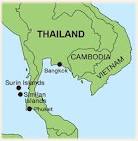
rubber prices in Tokyo trading yesterday on the increase driven by the approval of the Government of Thailand to shore up prices, coupled with a weaker yen, which provides support to the increase in prices. In stock Tocom, Rubber prices for June delivery contract closed at 316.5 yen, an increase of 2.3 yen (0.7 percent).
The price increase is driven by information that states that the Thai government is the world's largest rubber producer, on Tuesday (24/1) approve a budget of 15 billion baht (477 million U.S. dollars) to buy rubber USS3 types of farmers.

FARMERS ASKED TO IMPROVE THE QUALITY OF RUBBER

 FARMERS ASKED TO IMPROVE THE QUALITY OF RUBBER

Barat Bangka farmers, the province of the Pacific Islands, are required to improve the quality of rubber to keep prices stable. The request was presented the Forestry and Plantation Barat Bangka.
"Many farmers are not able to maintain quality by increasing the use of alum and water mixture, so that low-quality rubber," said Head of Estates on Barat Bangka Dishutbun, Darmono in Muntok, Sunday (20/11).

The Growth of Indonesia's Natural Rubber Exports

The growth of Indonesia's natural rubber exports

Indonesia's natural rubber exports growth over the last six years (2000-2005) is about 7.96%. The growth of Indonesia's natural rubber exports tend to be stable, while the value of exports fluctuated as they relate to the export price of rubber. Indonesia rubber export price is highly dependent on international natural rubber prices, supply and demand. and competitiveness of Indonesia's natural rubber exports in comparison with exports from other exporting countries, like Thailand and Malaysia.

Indonesia Rubber Export

 Indonesia Rubber Export

Medan, Indonesian - The volume of rubber exports of North Sumatra Province from January to November 2011 rose 5.4 percent over the same period last year, reaching 495 046 042 kilograms."The increase in export volume is encouraging and is expected by 2012 this will rise again because of the need to increase despite the global crisis is still being felt," said Executive Secretary Company Rubber Association of Indonesia (Gapkindo) of North Sumatra, Edy Irwansyah, in Medan.

Friday, 17 February 2012

Mixed Rubber Plantation Management System

Average tapped rubber plantations began at the age of 10-15 years. Slash and methods used for the maintenance of rubber plantations is a method of slash and clearing the hall with the frequency of irregularities. Since the last 3 years, the people doing an intensive cleaning of the garden in an old rubber plantation to plant rubber with insertion system.
Most of the rubber farmers in this village own initiative to make rubber nurseries (private owned) to meet the needs of rubber planting in the garden each. Plant species are allowed to live in the garden include Medang, chelates, meranti, jelutung and other economic types. Farmers tend to maintain some economically valuable tree species such as kempas, keranji, meranti, jelutung, chelates.

Rubber and its Contents

Rubber is a hydrocarbon polymer latex is contained in some plant species. The main source of production of rubber in international trade are or Hevea brasiliensis (Euphorbiaceae tribe). Several other plants also produce latex with a slightly different properties of rubber, such as ara-member tribe araan (eg fig), brown-sawoan (eg gutta percha and brown manila), other Euphorbiaceae, and dandelion. During World War II, these sources are used to fill the vacancy of the rubber supply. Now, gutta-percha used in medicine (guttapercha), while the tan manila commonly used latex for chewing gum (chicle). Rubber industry can now be produced synthetically and became rivals in the rubber industry.

Types and Various kinds of Rubber

Natural rubber in the world 70% is produced in Indonesia, Malaysia, and Thailand. Natural rubber obtained from Hevea brasiliensis rubber tree tapping a liquid rubber called latex. Rubber is needed in their daily lives ranging from household to industrial needs. Mostly used in the manufacture of rubber hoses and tires (about 50% more).

Types of rubber:Crepes originated from latex, rubber lump, or RSS of low quality. How to make it similar to the RSS different is to remove the dark brown color of dry rubber. Then the result is a white rubber grinding machine using a sheet of thin crepes pengiling.